


Something has been calling you inward.
You may be drawn to the idea of attending a Buddhist retreat, but which style and lineage of retreat is right for you?
Maybe you’re well established in your practice and looking to go deeper. Either way, this article will support your journey and decision-making.
We’ll explore the most popular types of Buddhist retreats and ways Hridaya Silent Meditation Retreats integrate or complement many of their teachings.
- Hridaya Meditation: A Reflection of Many Traditions
- A Comparison of Buddhist Retreats
- Vipassana Retreats
- Zen Meditation Retreats
- Tibetan Buddhist Retreats
- Metta: Loving-Kindness Meditation Retreats
- The Heart of Every Tradition: Discover Hridaya Meditation
At Hridaya, we believe each of the great wisdom traditions points toward the same truth. As in the parable of the Zen master who points at the moon with his finger, the significance lies in the moon (enlightenment), not the particular finger (the path or teaching).
Hridaya honors the essence of Buddhist traditions in our silent retreats—along with Hatha Yoga and the teachings of Ramana Maharshi (1879–1950). Our Heart-centered teachings also incorporate aspects of Judeo-Christian traditions and Kashmir Shaivism.
In this article, we highlight four types of Buddhist retreats and how they “point at the moon.”
- Zen meditation, in which you simply sit (sometimes with a riddle, or koan) until the one who is sitting slowly disappears.
- Vipassana, a way of intently observing reality until its nature becomes undeniable.
- Tibetan Buddhism, which offers a vast universe of symbolism, chanting, visualization, and devotion that carries you beyond the ordinary mind.
- Loving-kindness meditation—known as Metta—to open your heart so completely that the boundary between self and other begins to dissolve.
Let’s explore.
Hridaya Meditation: A Reflection of Many Traditions
Hridaya Meditation is inclusive because it emphasizes the core of many of the great wisdom teachings: the Spiritual Heart.
In Sanskrit, Hridaya means “Spiritual Heart”—not the emotional heart or the heart chakra, but the Heart at the innermost center of your being. Many traditions identify this point as the origin of Awareness or the ground of existence itself.
“Spiritual Heart” is a term that appears across traditions in slightly different ways. Buddhists use the Pali word citta to describe the heart-mind as the seat of consciousness. Christian contemplatives speak of the “cave of the heart” where God dwells in silence. The Kabbalists speak of a “point in the heart”—the root of the soul that directs us back to God.
Regardless of the tradition, the Heart is both your path and your destination.
Hridaya Meditation, developed by Romanian-born teacher Sahajananda, recognizes this convergence—different fingers, all pointing to the same moon—and weaves the teachings into a non-denominational yogic path.
The Wonderment-Question: “Who Am I?”
At the center of Hridaya practice is a question drawn from the teachings of Ramana Maharshi (1879-1950), the Indian sage widely regarded as one of the great spiritual luminaries of the 20th century.
That wonderment-question is “Who am I?”
This is neither a philosophical inquiry nor an invitation to construct a better story about yourself. It’s an experiential investigation—a turning of awareness back toward the One who is aware.
When a thought arises: who is aware of it? When an emotion surges: who is feeling it? That is, who is conscious of Consciousness?
The question has no intellectual answer. It’s a doorway, and walking through it reveals the simple, undeniable experience of “I am.” This is your pure existence—prior to sensation or thought—wherein you are identical with the Divine.
This question—when combined with transformative Hatha Yoga—forms the central thread running through Hridaya. If this combination resonates with you, explore our beachside silent meditation retreats in Mexico, which are offered in 3-, 5-, and 10-day formats. For a serene experience in the forest, consider Hridaya Silent Meditation Retreats in France.
You can read more about Hridaya below, but first, let’s reflect on how Buddhist retreats approach the Spiritual Heart in relation to the teachings found at Hridaya.
Keep in mind: there’s no “right path”—other than the one you find in yourself.

A Comparison of Buddhist Retreats
The oldest tradition—vipassana—is most aligned with the experience of the Buddha, so we’ll start there before examining Zen retreats, Tibetan retreats, and metta retreats, which span multiple traditions.
Vipassana Retreats
Vipassana—often translated as “insight” or “clear seeing”—is one of the oldest forms of meditation, dating back 2,500 years to the earliest teachings of the Buddha. It’s a precise, methodical practice of observing reality as it is: moment by moment, sensation by sensation, without interference from the ego.
Most vipassana retreats in the West follow the format established by S.N. Goenka (1924–2013), the foremost modern teacher of this method. His approach begins simply—with anapana, concentration on the breath, the sensation of air entering and leaving the body.
As anapana deepens, attention expands into full-body awareness through body scanning: noticing tingling, pressure, pulsing, tightness.
What once felt like a solid experience of your “body” begins to reveal itself as a transient field of sensation and emotion.
Watching the thoughts and sensations pass, a question eventually becomes inherent: if every sensation, thought, and emotion is changing, how could any of it truly be you? And if none of it is you, then who is watching?
Watching the thoughts and sensations pass, a question eventually becomes inherent: if every sensation, thought, and emotion is changing, how could any of it truly be you? And if none of it is you, then who is watching?
This is where Hridaya’s Self-Inquiry originates. While vipassana trains the attention to observe what arises and passes, Hridaya turns the attention back toward the observer with that simple wonderment-question, “Who am I?”
The two practices move in the same direction. Vipassana deconstructs the self through careful observation, while Self-Inquiry asks you to look directly at what remains after the dismantling.
Over time, vipassana’s loosening of identification supports its central quality: equanimity. Rather than chasing pleasant sensations or resisting unpleasant ones, you practice meeting everything with steady, non-reactive attention.
Would you like to better understand the differences between Hridaya Meditation and vipassana? Learn more with this in-depth article on What to Expect: Vipassana Meditation Retreats and Hridaya Compared.
What to Expect at a Vipassana Retreat
A typical 10-day silent Buddhist retreat in the Goenka Vipassana Meditation style is residential, with a rigorous schedule running from 4:00 am to 9:30 pm. The day consists of approximately ten hours of meditation, interspersed with breaks, simple vegetarian meals, and an evening video discourse by Goenka. Talking, eye contact, journaling, and outside communication are not permitted.
Vipassana retreats are offered worldwide in the Goenka tradition through Dhamma.org, as well as in longer and shorter formats through other organizations, including the Saddhamma Foundation, the Pa-Auk Society, Spirit Rock, and the Insight Meditation Society.
Hridaya offers 10-Day Silent Meditation Retreats in Mexico and France, both featuring a gentler schedule beginning at 7:00 am. Alternatively, a 3-Day Hridaya Silent Meditation Retreat might feel more accessible for beginners.
Hridaya’s silent retreats include Hatha Yoga alongside meditation, live teachings from experienced teachers, and an evening Q&A with written questions. Journaling is permitted. The two retreats—Hridaya and Vipassana—share the same essential container: silence, stillness, and the sustained turning of attention inward.
The practice of vipassana is beautiful, elegant, and deep. If it feels right to you, heed the call of your heart.

Zen Meditation Retreats
Zen emerged in China as Chan Buddhism before taking root in Japan, where it developed into the two primary schools that Western practitioners most commonly encounter: Soto and Rinzai.
These two lineages point toward the same essential recognition—that your original nature is already awake—and both employ zazen, which simply means “sitting meditation.” What happens when sitting varies by tradition.
Soto Zen Retreats
Soto Zen, brought to Japan by the monk Dogen Zenji in the 13th century, centers on shikantaza—“just sitting.” It’s an advanced form of zazen with no goal, technique, or object of concentration.
You sit with the whole of your being, and in that radical relinquishment of effort, the one who was straining toward awakening quietly dissolves. This moment of rest bears a resemblance to what Hridaya calls resting in the “I am.” It’s the effortless recognition of pure existence prior to thought.
Rinzai Zen Retreats and Koans
Rinzai Zen, transmitted in Japan by the monk Eisai in the 12th century, takes a more confrontational approach through the koan—an unanswerable question that defeats all logic.
A classic example of a koan is “What is the sound of one hand clapping?”
A teacher formally administers the question to the student, who embraces it with all their being until something shifts. Then, the conceptual framework collapses, giving way to kensho: a direct seeing of one’s True Nature.
The teacher can observe this realization in the student, and only accepts authentic expressions of the koan’s answer. Only then is the student allowed another koan.
In its own way, Self-Inquiry is like a koan; both use an unanswerable question to cut through the thinking mind toward direct recognition. The difference is in the tone of the practice: Rinzai is confrontational and offers rigor within a formal teacher-student relationship, while Hridaya holds the same inquiry in a more open container.
What to Expect at a Zen Retreat
The intensive Zen retreat is called sesshin—“to collect the heart-mind.” A typical Western sesshin runs for one to seven days.
Wake-up is around 4:30 am. There are nine to fifteen periods of zazen daily, each thirty to fifty minutes, interspersed with kinhin (walking meditation), formal chanting, samu (mindful work practice), and oryoki—a ritualized form of eating in the meditation hall considered a practice in itself. There’s no talking. Every activity is performed as an extension of meditation.
A distinctive feature—particularly in Rinzai—is dokusan: a private one-on-one meeting with the teacher during the retreat, in which understanding is tested directly and transmission occurs face-to-face.
Hridaya Silent Meditation Retreats include only indirect engagement with the teacher. This happens through written, anonymous questions answered in evening satsangs, or wisdom lectures. The format is less focused on the teacher-student connection, but it allows you to benefit from questions asked by other students. Outside of the retreat setting, teachers meet with students more casually.
Rinzai Zen and Hridaya meet most directly in their shared conviction that the conceptual mind cannot think its way to awakening—and in their use of unanswerable questions to press beyond it.
To explore the deepest roots of Zen and Chan Buddhism, consider a journey to the centuries-old temples of China and Japan, such as Eiheiji Temple (Fukui Prefecture, Japan) or Bailin Zen Monastery (Zhaoxian County, China) where monks have practiced for nearly two millenia.
Tibetan Buddhist Retreats
Tibetan Buddhism is the most ritually elaborate of the traditions explored here. It’s a vast, luminous world of chanting, sacred imagery, visualization, and ceremonial practice echoing more than a thousand years of practice in the monasteries and mountain caves of the Himalayas.
The intricate practice and iconography of Tibetan Buddhism reveal the simple nature of your existence: luminous and already free.
Tibetan Buddhism encompasses four major schools—Nyingma, Kagyu, Sakya, and Gelug—each with its own lineage, emphasis, and retreat culture. All share a Tantric understanding: our experience itself—including emotions, sensations, and desires—isn’t an obstacle to awakening but, rather, its very fuel. This resonates directly with Hridaya’s non-dual orientation, which excludes nothing from the path. Dense emotions and moments of complete transcendence are welcome expressions of the same Awareness.
What Happens at a Tibetan Buddhist Retreat
Even an introductory experience at a Tibetan Buddhist retreat center is unlike anything most Western practitioners have encountered.
Meditation is likely directed by a teacher whose lineage may stretch back centuries in unbroken transmission from one lineage holder to another.
The retreats vary across the major schools, but your day will likely begin before dawn with chanting to steady the mind. Prostrations follow: full-body bows, repeated hundreds of times, combining physical humility with the cultivation of devotion. Then, of course, sitting meditation.
As the retreat deepens, practitioners may be introduced to deity yoga—the practice of visualizing an enlightened being, such as the bodhisattva of compassion, Chenrezig, in precise detail. By visualizing, you eventually recognize the deity’s qualities as reflections of your own awakened nature.
Mantra recitation sometimes accompanies the visualization. A mantra is a sacred syllable repeated thousands of times to stabilize the mind or raise energies associated with particular deities.
Mandala offerings, mudras, and ritual practices weave through the day, each gesture carrying layers of meaning developed over centuries of contemplative refinement.
At more advanced levels—typically requiring formal empowerment from a qualified lama—practitioners explore the practices of Dzogchen and Mahamudra: teachings that dispense with gradual approaches entirely and point directly to Awareness itself, prior to thought, as the ground of all experience.
This direct recognition is called rigpa in Dzogchen—naked, luminous awareness—and it strongly parallels the eventual recognition of Self-Inquiry.
Tonglen—the powerful compassion-building practice of breathing in the suffering of others and breathing out relief and ease—is also taught in many Tibetan retreats.
Some Hridaya Retreats also include tonglen, including the 5-Day Silent Meditation Retreat: Awakening Love Within and the 17-Day Hridaya Silent Meditation Retreat.
Of all the traditions explored here, Tibetan Buddhism and Hridaya share the deepest common ground. Both have Tantric roots, a devotional dimension, and varied modalities for awakening. And, both lead us back to our True Nature.
Feeling called to explore the richness and sophistication of Tibetan Buddhism? Do!
Notable Tibetan Buddhist retreat centers in the West include Tara Mandala and Drala Mountain Center (Colorado), Tushita Meditation Centre (Dharamsala, India), and Kopan Monastery (Kathmandu, Nepal)—one of the most respected Buddhist retreat centers in Asia.
Metta: Loving-Kindness Meditation Retreats
Metta—the Pali word for loving-kindness—is one of the most widely practiced and universally accessible forms of Buddhist meditation. Unlike the tradition-specific practices explored above, metta appears across Theravada, Tibetan, and sometimes even Zen retreats.
Metta has also been embraced by secular mindfulness communities worldwide. It requires no lineage, no prior experience, and no particular belief system. Its only requirement is a willingness to open the heart.
The practice itself is elegant in its simplicity. Beginning with oneself—often the most challenging recipient—the practitioner silently offers goodwill through simple phrases:
- May I be filled with loving-kindness.
- May I be safe from inner and outer dangers.
- May I be well in body and mind.
- May I be at ease and happy.
The circle of compassion then expands outward: to a loved one, to a neutral person, to someone difficult, and ultimately to all beings everywhere without exception. (“May they be filled with loving kindness…”)
This seemingly simple practice opens the practitioner to the natural warmth that has always been present beneath the layers of self-protection and habitual reactivity.
At a metta retreat, the silence is warmer than at a vipassana retreat. There are fewer sharp edges than in Zen. The container is still rigorous—long periods of sitting, early mornings, noble silence—but the emotional texture is different.
Practitioners often report waves of unexpected tenderness, grief that finally finds release, or a softening of long-held armoring around their hearts. For many, it’s the first time they have directed genuine kindness toward themselves.
While most Hridaya Silent Meditation Retreats don’t focus on metta meditation, the 5-Day Silent Meditation Retreat: Awakening Love Within, shares metta as a simple, powerful approach to an open heart.
Metta retreats are offered at Buddhist silent retreat centers around the world—at Spirit Rock and the Insight Meditation Society in the United States, through Plum Village centers in Europe and Asia, and at many Tibetan centers, too.
The Heart of Every Tradition
…is you!
Your deepest Self is immaculately complete, expansive, divine—and able to be revealed through all these traditions.
Each of these schools honors the Spiritual Heart, and all true spiritual paths are but processes of uncovering what’s already there. So, follow the call of your heart. It will lead you to the best meditation retreat experience for you, whether it’s Zen, vipassana, metta, or Tibetan Buddhist.
If Hridaya calls you, we operate non-profit retreat centers in three countries, each set within a distinct environment that enriches the meditative experience.
Hridaya Yoga France
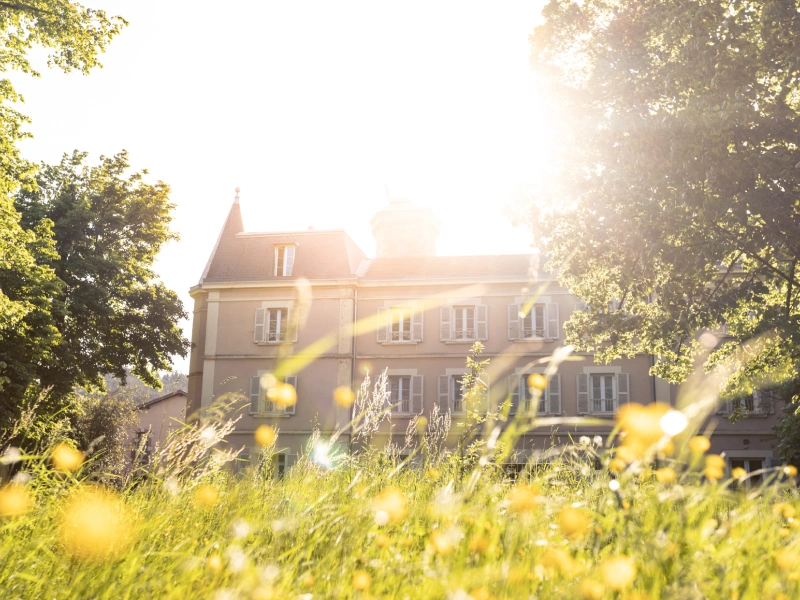
Hridaya Silent Meditation Retreats in France bring you to stillness in the quiet of the Beaujolais countryside. Far removed from the busyness of daily life, our French location offers miles of hiking trails, a permaculture garden, and views of the Azergues Valley.
Hridaya Yoga Mexico
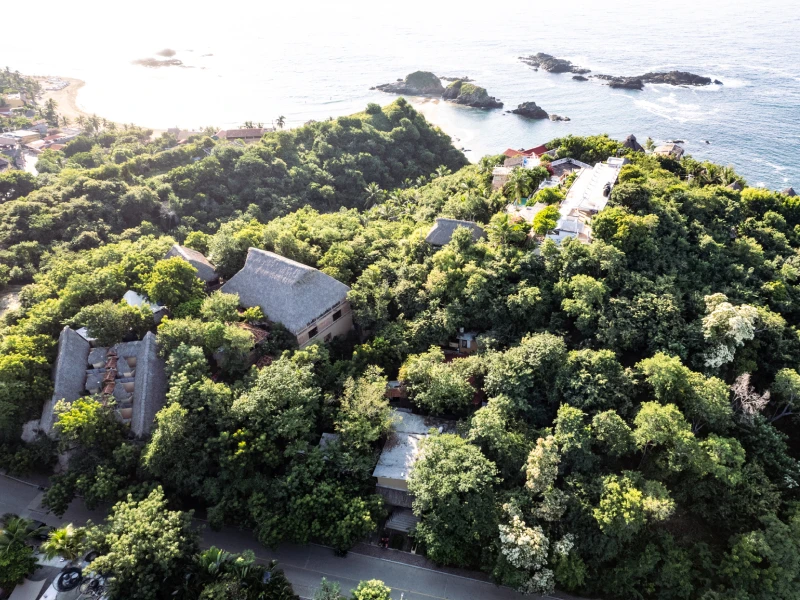
Hridaya Silent Meditation Retreats in Mexico drop you into the color and tropical beauty of the Oaxacan coast. This center, located in the small town of Mazunte, is a fantastic choice for those seeking beachside adventure not far from the USA and Canada.
Hridaya Yoga Romania
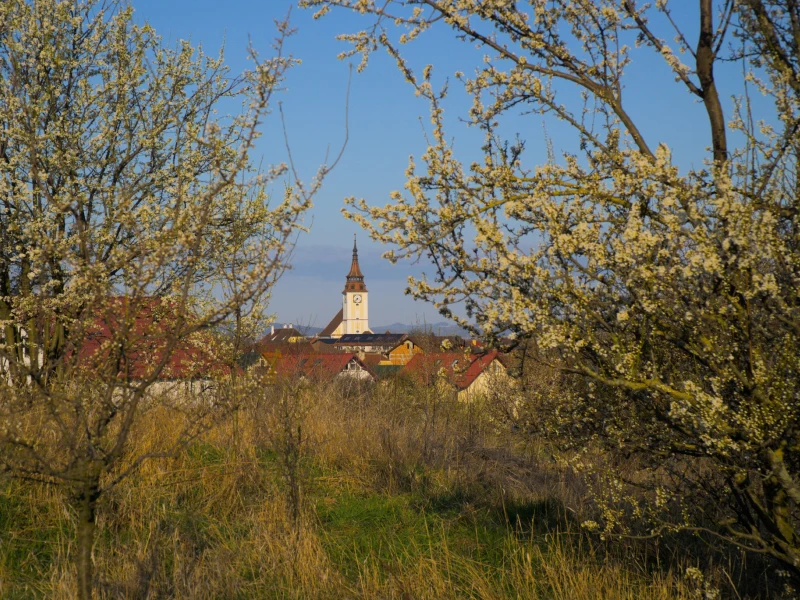
Hridaya Silent Meditation Retreats in Romania introduce you to the wooded foothills of the Carpathian Mountains. Located just outside Brașov in the heart of Transylvania, the Hridaya Kamala Center offers mountain views and the quiet of a region steeped in natural beauty.
Online Meditation Retreats
Prefer to stay closer to home? Our online meditation retreats offer you the full retreat experience—without the travel. You’ll follow a livestream of an in-person retreat, receive teachings in real-time, and submit questions to the teachers—just as on-site participants do.
Blessings on your journey.