

Quotes by Sahajananda
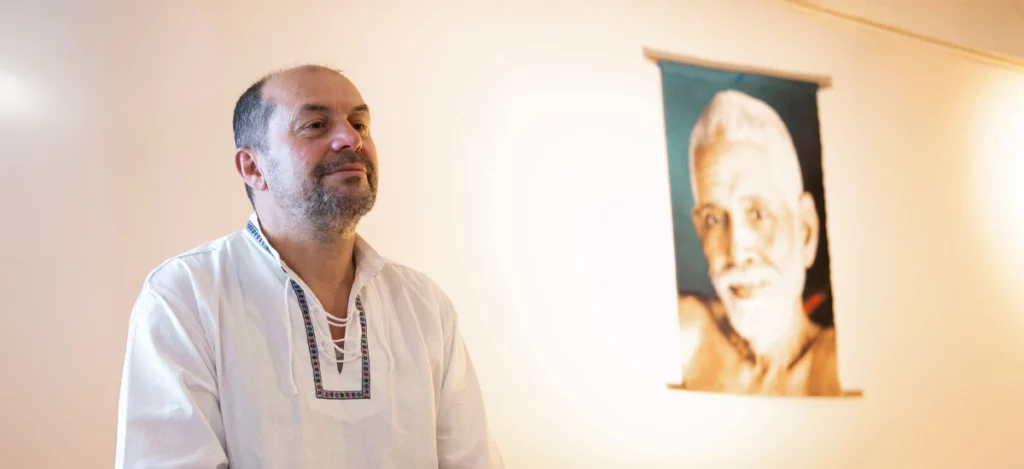
The ‘well-informed’ ego says, ‘I am what I know myself to be. ’The real Self says merely ‘I am.’” –Sahajananda…
T.S. Eliot – O dark dark dark
T.S. Eliot – O dark dark dark One of the major poets of the 20th century, T.S. Eliot considered Four Quartets to be his masterpiece. In fact, it lead him to receive the Nobel Prize for Literature in 1948. The work consists of four separate poems, each including meditations on the nature of time and its relation …
Symeon the New Theologian – God is Light
Symeon the New Theologian – God is Light Symeon the New Theologian (c. 950-1022 AD) was a Byzantine Christian monk and poet who was the last of three saints canonized by the Eastern Orthodox Church and given the title of “Theologian.” “Theologian” was not applied to Symeon in the modern academic sense of theological study, but …
St. John of Ruysbroeck – The Incomprehensible Light
St. John of Ruysbroeck – The Incomprehensible Light St. John of Ruysbroeck was a 13th-century Flemish mystic and author. He shared the following about the Divine Light of the Self: Here, the incomprehensible light manifests; and through it, we can get the vision of God… This Divine Light is offered through a simple mental image, …
St. John of the Cross – Everything and Nothing
St. John of the Cross – Everything and Nothing This famous poem by St. John of the Cross from The Ascent of Mount Carmel expresses the spiritual dialectics of all/nothing (todo/nada) very well: To come to enjoy everything seek enjoyment in nothing. To come to possess everything seek to possess nothing. To come to be everything seek to be …
Saint Bernard of Clairvaux – Flowing into the Will of God
Saint Bernard of Clairvaux – Flowing into the Will of God Saint Bernard of Clairvaux lived from 1090-1153. He was a French abbot and one of the founders of the Cistercian Order. Although he was busy with the needs of running a large monastery, he found time to compose many spiritual works that still resonate …
Saraha – The Royal Song
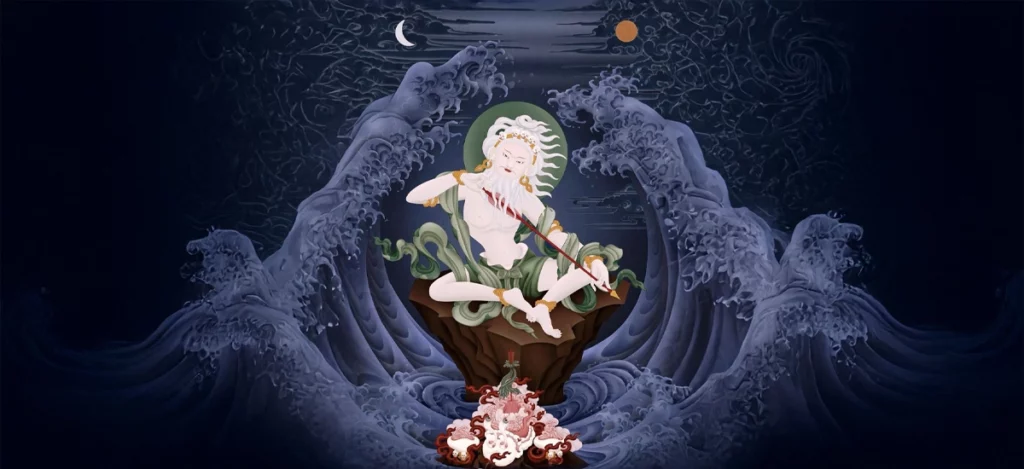
Saraha – The Royal Song Saraha is considered to be one of the founders of Vajrayana Buddhism, and particularly of the Mahamudra tradition. He lived circa the 8th century A.D. He left us numerous songs of realization. Below, The Royal Song, the song on human action, the treasure of Dohas (couplets): I bow down to noble Manjusri. I …
Rabindranath Tagore – Poems from the Heart
Rabindranath Tagore – Poems from the Heart Rabindranath Tagore was an important Bengali writer in the late 19th and early 20th centuries. He won the Nobel Prize in Literature in 1913 (the first non-European to do so). The following poems are from his acclaimed collection Gitanjali: Lotus On the day when the lotus bloomed, alas, my mind was …
Plato – A Journey into Absolute Beauty
Plato – A Journey into Absolute Beauty Plato, the great philosopher of Ancient Greece, shares this insight into the nature of beauty: The nature of beauty is, in the first place, for all time, neither coming into being nor passing into dissolution, neither growing nor decaying; secondly, it is not beautiful in one part or at …
Yogananda – Dissolution in a Universe of Light
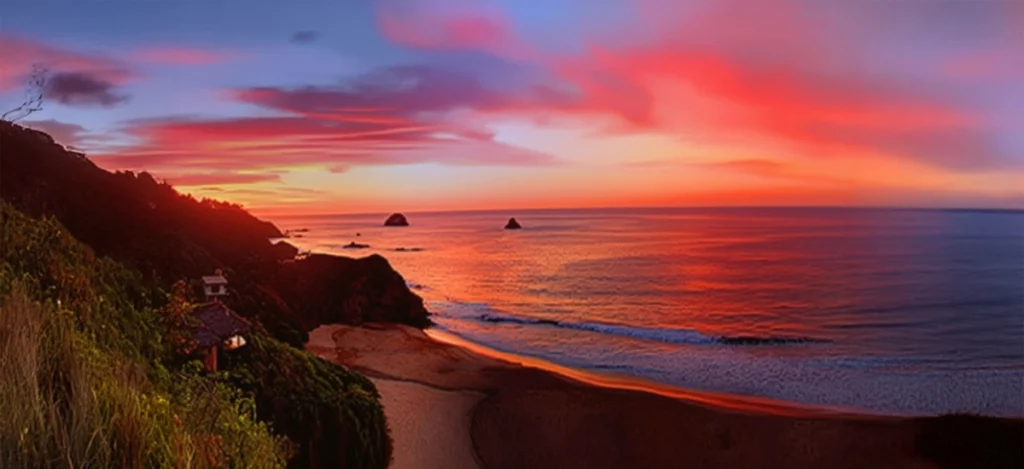
Yogananda – Dissolution in a Universe of Light Yogananda’s Description of Samadhi Paramahansa Yogananda describes his blissful intimacy with the universe that was revealed to him as a boy by his guru, Sri Yukteswar. After a tap on the heart by his master, Yogananda’s vision of reality become forever changed: My body became immovably rooted…Soul and mind …
Nisargadatta Maharaj about God and Love

Does love act deliberately? Yes and no. Life is love and love is life. What keeps the body together but love? What is desire, but love of…
Meister Eckhart – About Cracking Parables
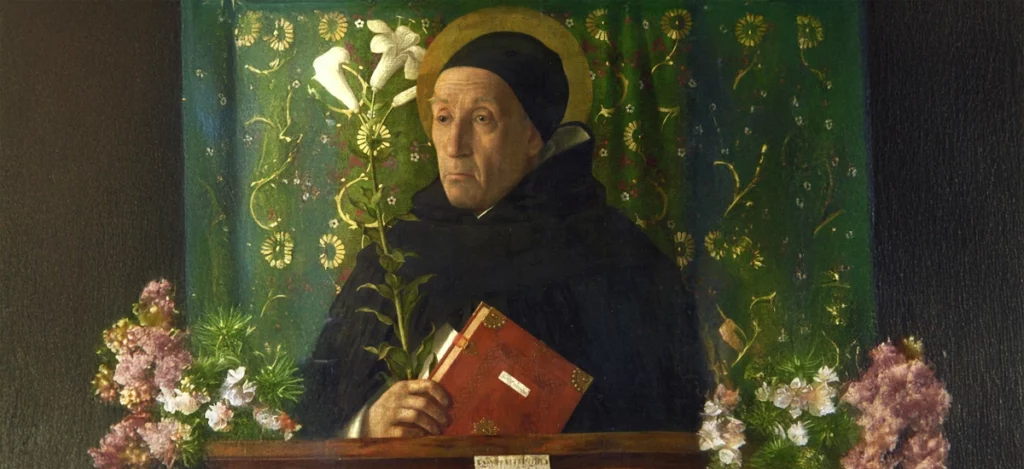
Meister Eckhart was a German theologian, philosopher, and mystic who lived from the late 13th to early 14th centuries. He shares the following wisdom: About Cracking Parables I have often said: The shell must break and whatever is inside must come forth; for if you want to have the nut, you must first crack the […]
Mahayana Buddhism – The Nature of Emptiness
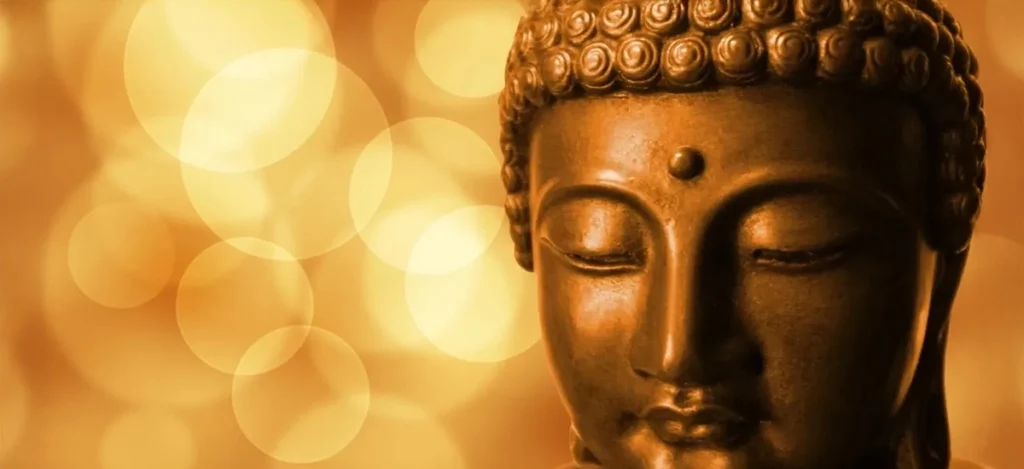
Mahayana Buddhism – The Nature of Emptiness Prajnaparamitahridaya, “The Heart of the Perfection of Transcendent Wisdom,” is often considered the best-known and most popular scripture in the tradition of Mahayana Buddhism. Although its author is unknown, the individual clearly had a deep understanding of Buddhist teachings: Thus, O Sariputa, all things, having the nature …
Lester Levenson – An Insight on Love
Lester Levenson – An Insight on Love A self-made man, Lester Levenson was not particularly spiritual in his early years. A physicist and engineer, he also achieved financial success in the restaurant, lumber, building, oil, and real estate businesses. He lived in New York City, and his life revolved mainly around his relationships with women and his …
John Muir – A Glorious Conversion
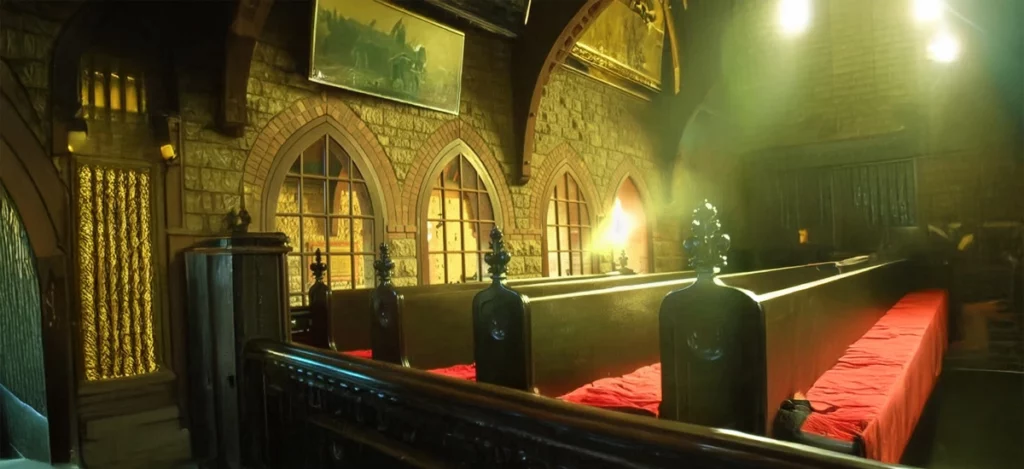
John Muir – A Glorious Conversion John Muir, a great naturalist, mystic, and writer who advocated for the preservation of wilderness in the United States, wrote about the way he simultaneously perceived the outer and inner realities both around him and in him, thus expressing the Sacred Tremor, spanda: “We are now in the mountains and …
Jan Van Ruysbroeck – Simple Ineffability
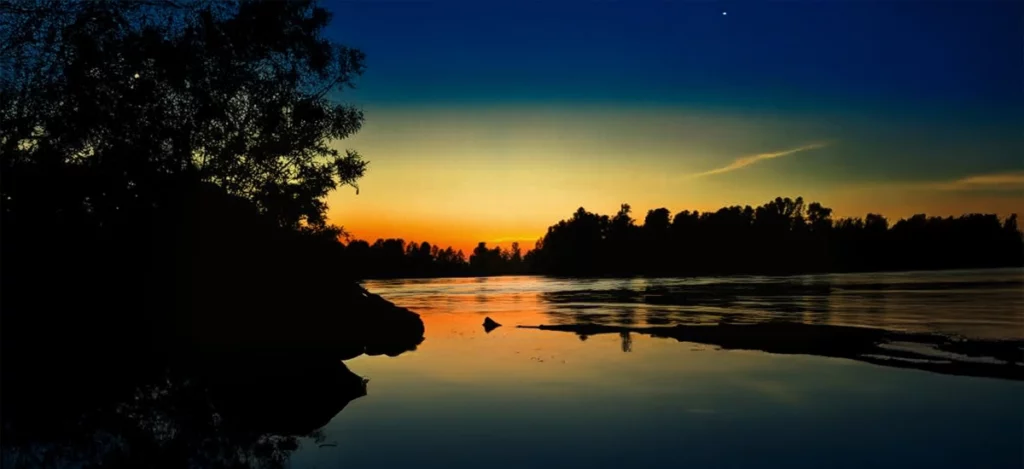
Jan Van Ruysbroeck – Simple Ineffability Flemish mystic Jan Van Ruysbroeck (c. 1293 – 1381) shares this wisdom in the last chapter of The Spiritual Espousals (Translated by A. Wiseman, New York, Paulist Press, 1985): “Here there is a blissful crossing over and a self-transcending immersion into a state of essential bareness … where all the divine names and …
Hadewijch – Overwhelmed by Love
Hadewijch – Overwhelmed by Love From a historical point of view, we do not know much about the 13th century beguine Hadewijch of Antwerp, except the fact that her name designates her birthplace. Fortunately, we have an important testimony of Hadewijch’s historical existence in the words of John of Leuuwen, the cook and disciple of the …
Friedrich Nietzsche – On Inspiration
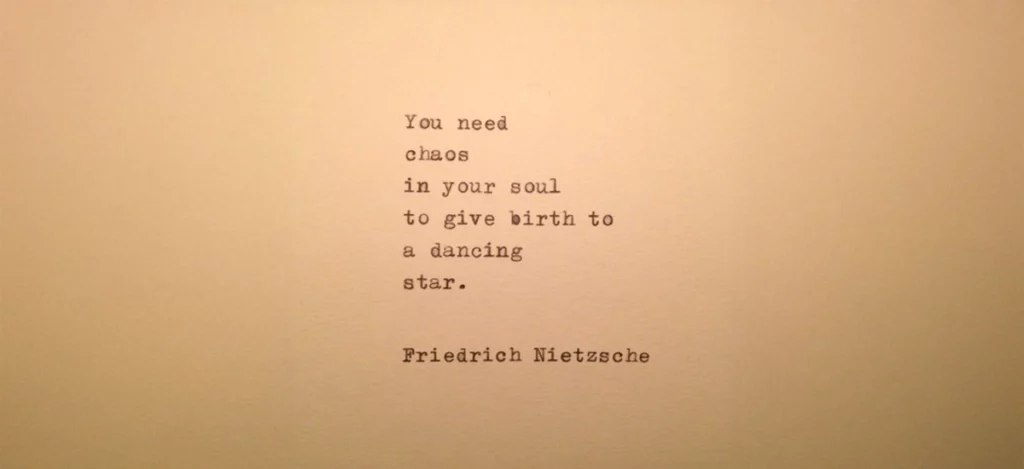
Friedrich Nietzsche – On Inspiration The nature of inspiration has never been described more forcefully and graphically than by German philosopher Friedrich Nietzsche:“Has anybody, at the end of the nineteenth century, an idea what poets of stronger ages called inspiration? If not, let me describe it. With the smallest residue of superstition within oneself, one would indeed …