

Patanjali’s Ashtanga Yoga The Eight Limbs
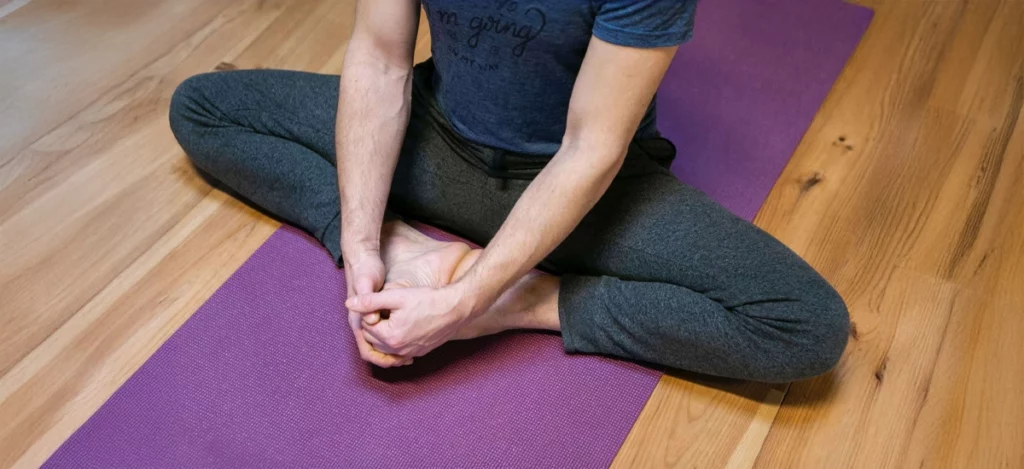
Patanjali’s Ashtanga Yoga The Eight Limbs Patanjali’s Ashtanga Yoga is the path outlined in the sacred text of Classical Yoga the Yoga Sutras. It refers to eight branches or angas (limbs). Patanjali’s Ashtanga Yoga Includes: Yama, moral restrictions Niyama, disciplines Asana, physical postures Pranayama, control of the breath and energy Pratyahara, the withdrawal of the…
Doshas: The Three Humors of the Body

Dosha The Three Humors of the Body Doshas—The Basic Energies in the Body The doshas are the biological humors or psychophysiological energies described in Ayurveda. There are three doshas and together, they orchestrate all the activities that occur within us. The doshas are called vata, pitta, and kapha, and each is further divided into five…
Bhakti Yoga The Yoga of Devotion
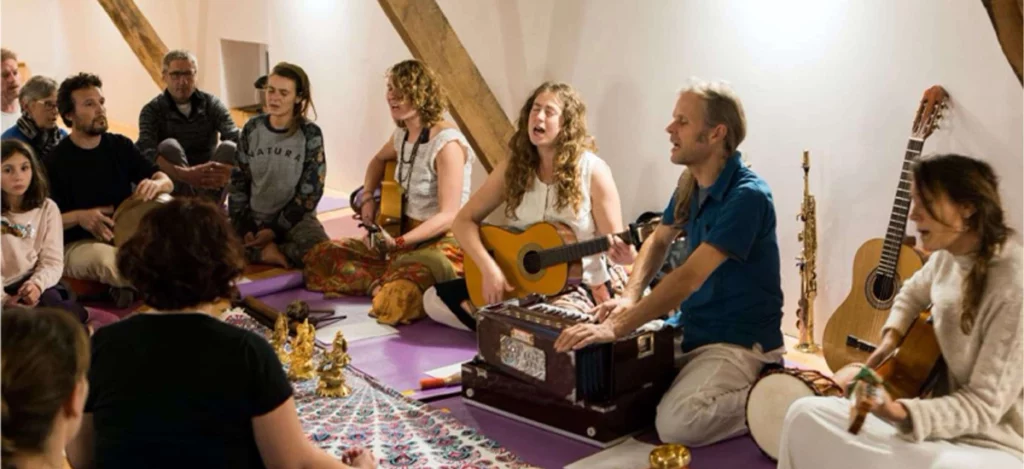
Bhakti Yoga The Yoga of Devotion Bhakti—Loving Involvement Bhakti means “devotion” or “love.” It is derived from the root bhaj, meaning “to participate in” and denotes “loving involvement and devotion.” Bhakti is usually translated as “devotion” and is understood as human adoration of the Divine. However, the Sanskrit term bhakti more accurately expresses a mutual…
Bandhas—The Three Energetic Locks
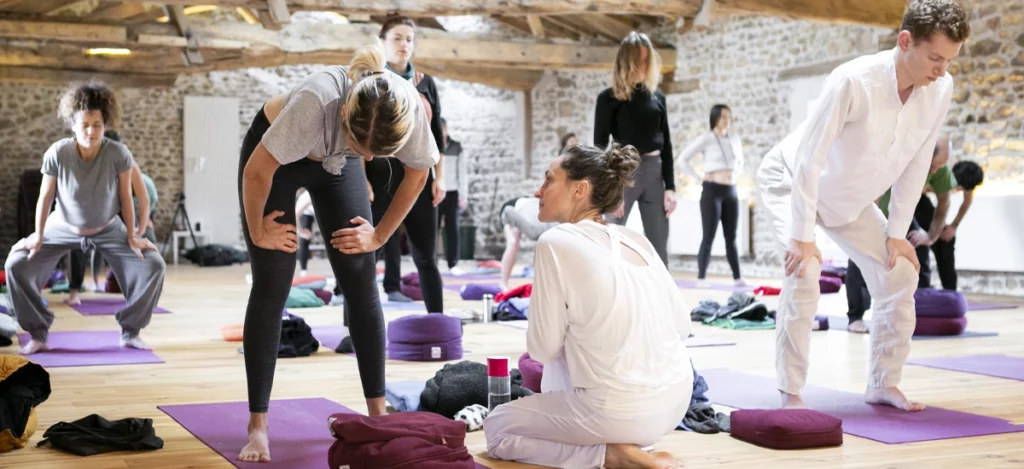
Bandhas The Three Energetic Locks Bandhas—“Locking” Prana Bandhas are a class of Hatha Yoga techniques that aim to lock prana in particular areas and redirect its flow into sushumna nadi. Bandha means to “contract,” “hold,” “tighten,” or “lock.” The bandhas assist us in the awakening, accumulation, and control of subtle energies for the purpose of…
Atman The Self

The word atman has been used to denote the transcendental Self since the time of the ancient Upanishads. The word has two components to…
Aham Vritti—The Whirl of “I”

Aham Vritti The Whirl of “I” Aham Vritti—The Pure “I Am” Translated as the “I”-feeling or the “pure ‘I am’-feeling,” “I”-sense, or “I”-thought, aham vritti represents the irreducible element of any human knowledge, experience, perception, etc. According to the Great Sage Ramana Maharshi, Aham Vritti Has the Following Essential Characteristics: It originates from a place…
Advaita Vedanta: The Non-Dual Vision

Advaita Vedanta is probably the best known of all Vedanta schools of Hinduism. Nondual Vedanta is considered the pearl of Indian philosophy
Adi Shankaracharya The Great Sage of Advaita Vedanta

Adi Shankaracharya The Great Sage of Advaita Vedanta Adi Shankaracharya—Important “First” Teacher The main acharya (teacher, preceptor) of Advaita Vedanta, Shankaracharya (788-820 A.D.) was a great Hindu mystic and scholar who brought about the greatest revival of Advaita Vedanta in Indian philosophy and spirituality. Adi Shankaracharya’s (adi means “first”) contributions to advaita thought and Hinduism…
Abhyasa & Vairagya—The Essential Aspects of Spiritual Life
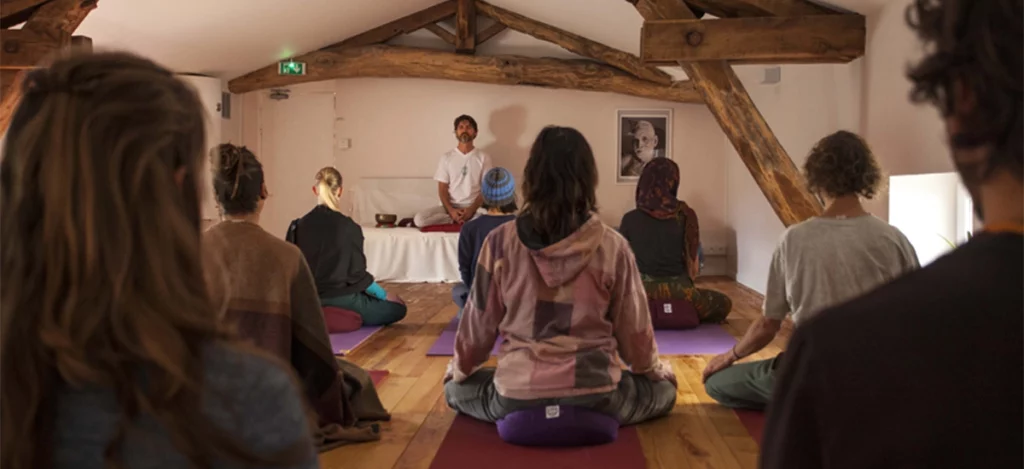
Abhyasa & Vairagya: The Essential Aspects of Spiritual Life In the Yoga Sutras, Patanjali states that abhyasa and vairagya (perseverance and detachment) represent the two essential aspects of spiritual life, working together like the wings of a bird. Abhyasa—Perseverance Abhyasa refers to perseverant spiritual practice. The Shiva Samhita (4:9) affirms: “Through practice comes perfection; through…