

Los chakras: frecuencias en el océano universal de energía

La palabra sánscrita chakra significa “plexo”, “rueda” o “vórtice” Se refiere a varios centros de la anatomía sutil del ser humano. Cada uno corresponde a un nivel diferente de conciencia. Los chakras son conocidos por diversos nombres, entre los cuales destacan: centros pránicos, centros psíquicos, centros psicoenergéticos y centros cerebroespinales. La tradición yóguica hace referencia […]
Los kleshas: las 5 causas fundamentales del sufrimiento

Kleshas The 5 Fundamental Causes of Suffering In the Yoga Sutras, Patanjali explains the kleshas, the five fundamental causes of human suffering. He identifies them as: Avidya, ignorance Asmita, “I am-ness,” the limitation of the ego consciousness, or the ego sense Raga, attachment Dvesha, hatred Abhinivesha, fear of death or the instinct to protect the…
Los pancha kosha: los cinco cuerpos

Pancha Kosha The Five Bodies “Throw away the shell and take the kernel; do not be one of those who ignore the features, but tear away the veil!” –Abd al-Karim al-Jill All major spiritual traditions sanction the belief that the physical body is not the only vehicle in which consciousness can express itself or in…
El Ashtanga Yoga de Patañjali: las ocho ramas

Patanjali’s Ashtanga Yoga The Eight Limbs Patanjali’s Ashtanga Yoga is the path outlined in the sacred text of Classical Yoga the Yoga Sutras. It refers to eight branches or angas (limbs). Patanjali’s Ashtanga Yoga Includes: Yama, moral restrictions Niyama, disciplines Asana, physical postures Pranayama, control of the breath and energy Pratyahara, the withdrawal of the…
Dosha: las tres disposiciones del cuerpo

Dosha The Three Humors of the Body Doshas—The Basic Energies in the Body The doshas are the biological humors or psychophysiological energies described in Ayurveda. There are three doshas and together, they orchestrate all the activities that occur within us. The doshas are called vata, pitta, and kapha, and each is further divided into five…
Bhakti Yoga, el Yoga de la devoción
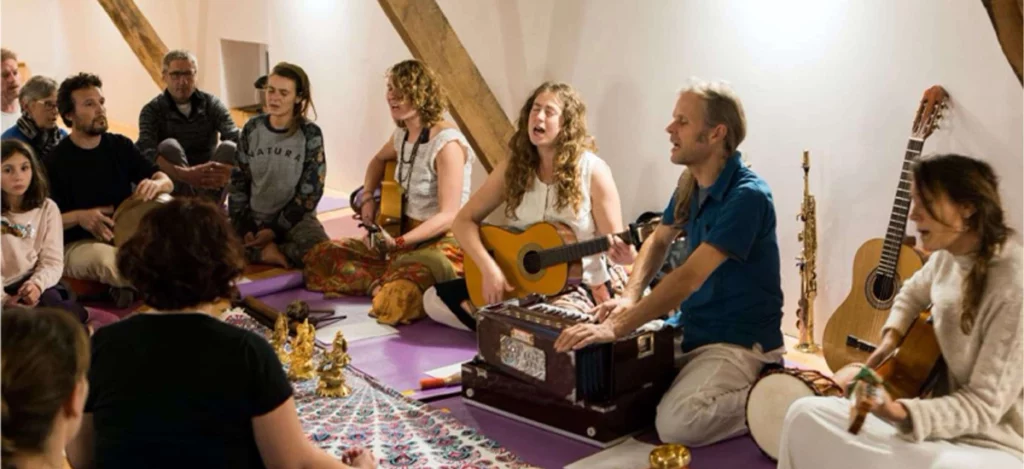
Bhakti Yoga The Yoga of Devotion Bhakti—Loving Involvement Bhakti means “devotion” or “love.” It is derived from the root bhaj, meaning “to participate in” and denotes “loving involvement and devotion.” Bhakti is usually translated as “devotion” and is understood as human adoration of the Divine. However, the Sanskrit term bhakti more accurately expresses a mutual…
Bandhas: Los tres candados energéticos

Bandhas The Three Energetic Locks Bandhas—“Locking” Prana Bandhas are a class of Hatha Yoga techniques that aim to lock prana in particular areas and redirect its flow into sushumna nadi. Bandha means to “contract,” “hold,” “tighten,” or “lock.” The bandhas assist us in the awakening, accumulation, and control of subtle energies for the purpose of…
Aham Vritti: el torbellino del “yo”

Aham Vritti The Whirl of “I” Aham Vritti—The Pure “I Am” Translated as the “I”-feeling or the “pure ‘I am’-feeling,” “I”-sense, or “I”-thought, aham vritti represents the irreducible element of any human knowledge, experience, perception, etc. According to the Great Sage Ramana Maharshi, Aham Vritti Has the Following Essential Characteristics: It originates from a place…
Advaita Vedanta: La visión no dual

Advaita Vedanta is probably the best known of all Vedanta schools of Hinduism. Nondual Vedanta is considered the pearl of Indian philosophy
Adi Shankaracharya: El gran sabio del advaita vedanta

Adi Shankaracharya The Great Sage of Advaita Vedanta Adi Shankaracharya—Important “First” Teacher The main acharya (teacher, preceptor) of Advaita Vedanta, Shankaracharya (788-820 A.D.) was a great Hindu mystic and scholar who brought about the greatest revival of Advaita Vedanta in Indian philosophy and spirituality. Adi Shankaracharya’s (adi means “first”) contributions to advaita thought and Hinduism…
Abhyasa y vairagya: Los aspectos esenciales de la vida espiritual
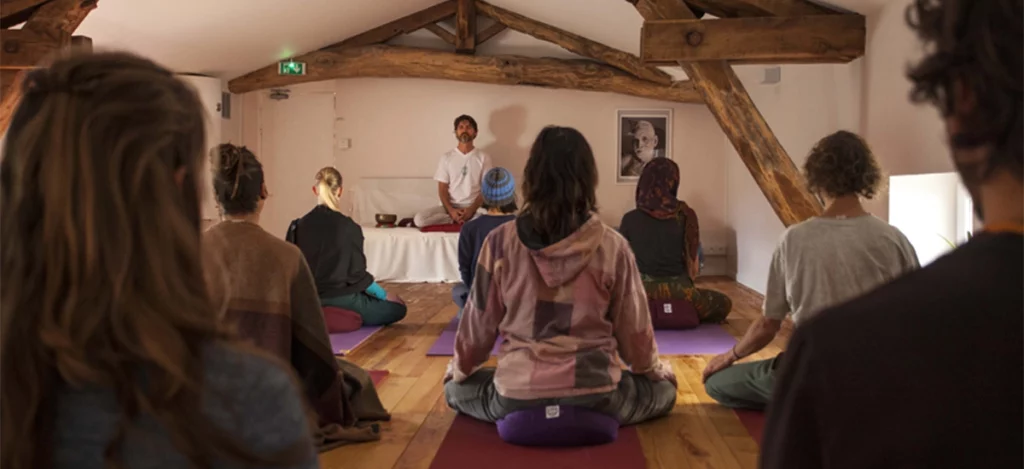
Abhyasa & Vairagya: The Essential Aspects of Spiritual Life In the Yoga Sutras, Patanjali states that abhyasa and vairagya (perseverance and detachment) represent the two essential aspects of spiritual life, working together like the wings of a bird. Abhyasa—Perseverance Abhyasa refers to perseverant spiritual practice. The Shiva Samhita (4:9) affirms: “Through practice comes perfection; through…